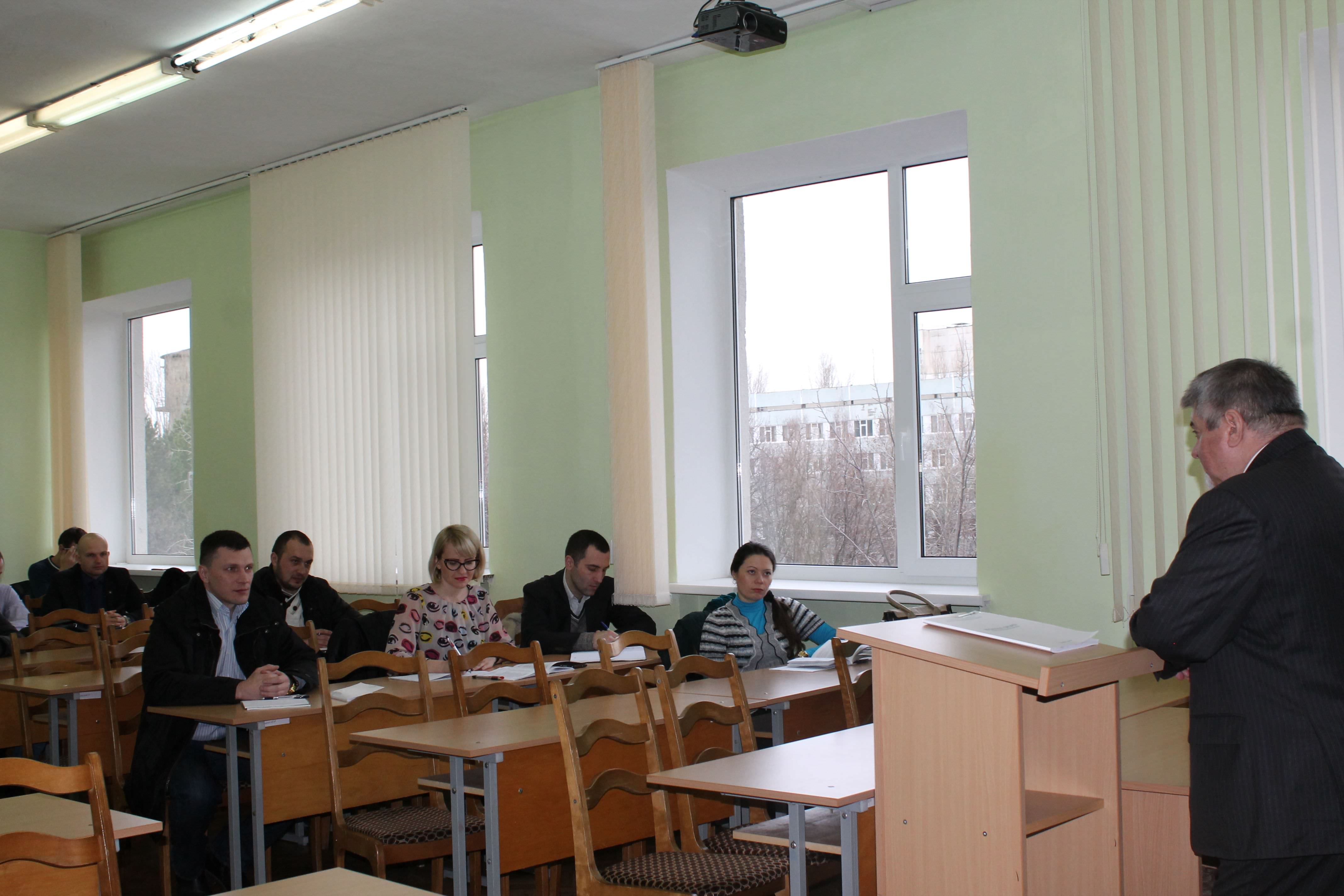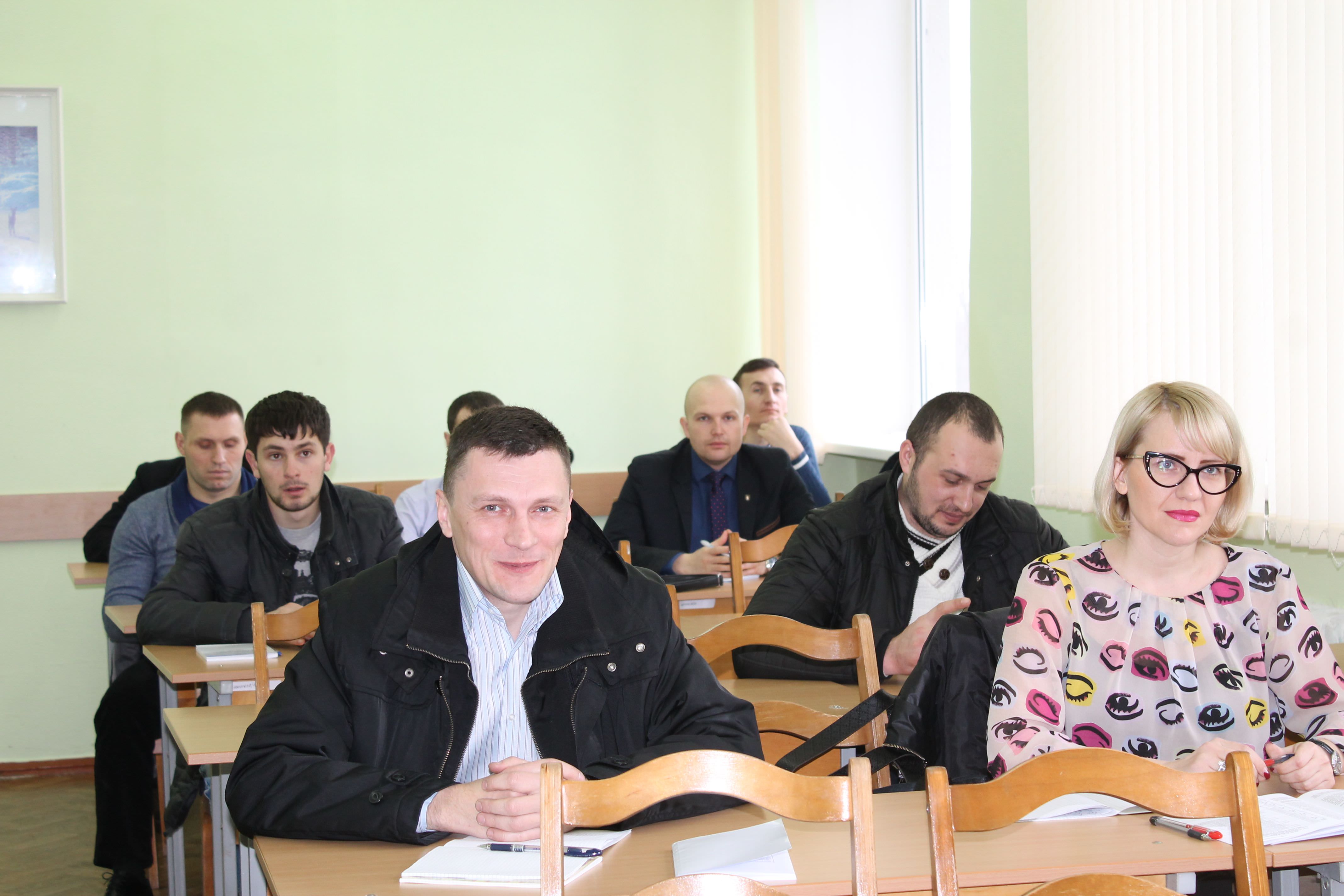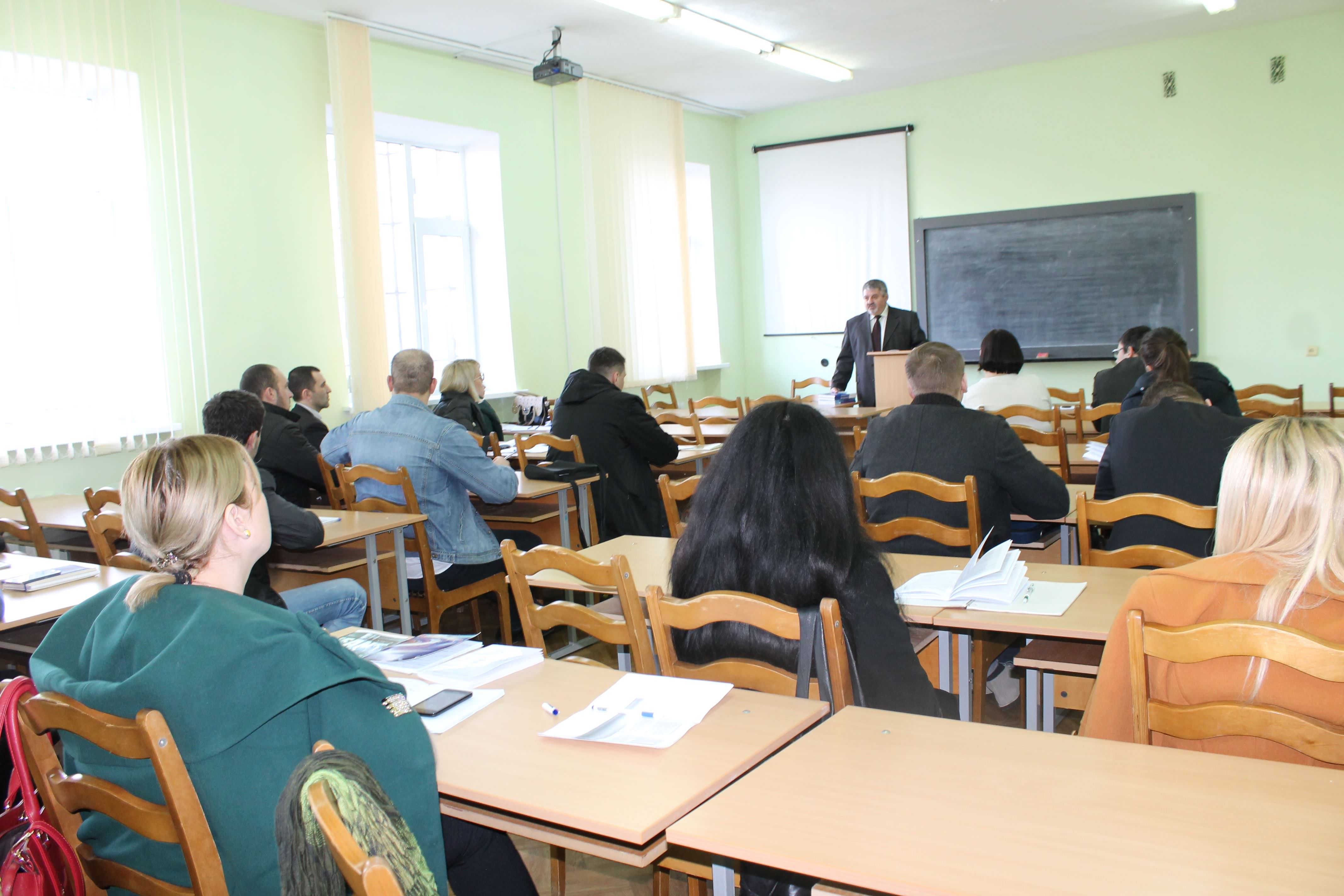
Ombudsperson Mihail Cotorobai lectured on “The Ombudsperson Institution – National Tool for Human Rights Defence”, at the Academy of Public Administration from Moldova.
Ombudsperson Mihail Cotorobai spoke to students about the concept of the Ombudsperson Institution, its history and role in human right protection and defence. The term Ombudsperson is Swedish by origin, used in the universal language, and means an authority or person who pleads for someone’s cause. The Ombudsperson, in legal sense, is an independent high-level public official, appointed by Parliament or Government to protect fundamental human rights and freedoms.
Mihail Cotorobai analyzed the content of Paris Principles – a core document underpinning the activity of national institutions for human rights promotion and protection. The Ombudsperson told about several organizational forms of the Ombudsperson’s Institution at the national, regional or local level: Ombudsperson with general powers, who receives any complaints from people against abuse and injustice committed by public authorities and, as a result of examination, requires that the authority restores their rights; and Ombudsperson with special powers, who supervises certain services or areas.
The Ombudsperson presented the main characteristics of the institution and its mission, which are the following: supervise the observance of fundamental human rights and freedoms and the legality, supervise the activities carried out by public administration; which implies functions of research and control of public administration; mediate or suggest new legal measures; monitor the observance of human right and address recommendations in this respect, as well as inform the citizens, public opinion and society about investigations’ results.
The Ombudsperson emphasised the institution’s special characteristics, because unlike the other three classic public authorities: legislative, executive and judicial, it does not have a decision making power and its role is to serve as a complementary element to the three classic public authorities, the main function being to check the accuracy of public authorities’ actions.
In addition, the Ombudsperson spoke about the history of the national institution for protection of human rights from Moldova, analysed the legal basis of the activity, he also remarked that the Ombudsperson's Office is now at the beginning of a new development stage.
The students addressed several questions about the Ombudsperson’s activity, the National Torture Prevention Mechanism, requirements for the candidates for the position of Ombudsperson, cooperation between the Ombudsperson’s Institution and national and international organisations.
Mihail Cotorobai expressed his hope that the Academy of Public Administration, to the creation of which he contributed personally, would remain the institution that educates competent civil servants, and provides a solid knowledge to them, and wished them good luck.
The Ombudsperson donated the second edition of “Handbook of Civil Servant” to the Academy of Public Administration.