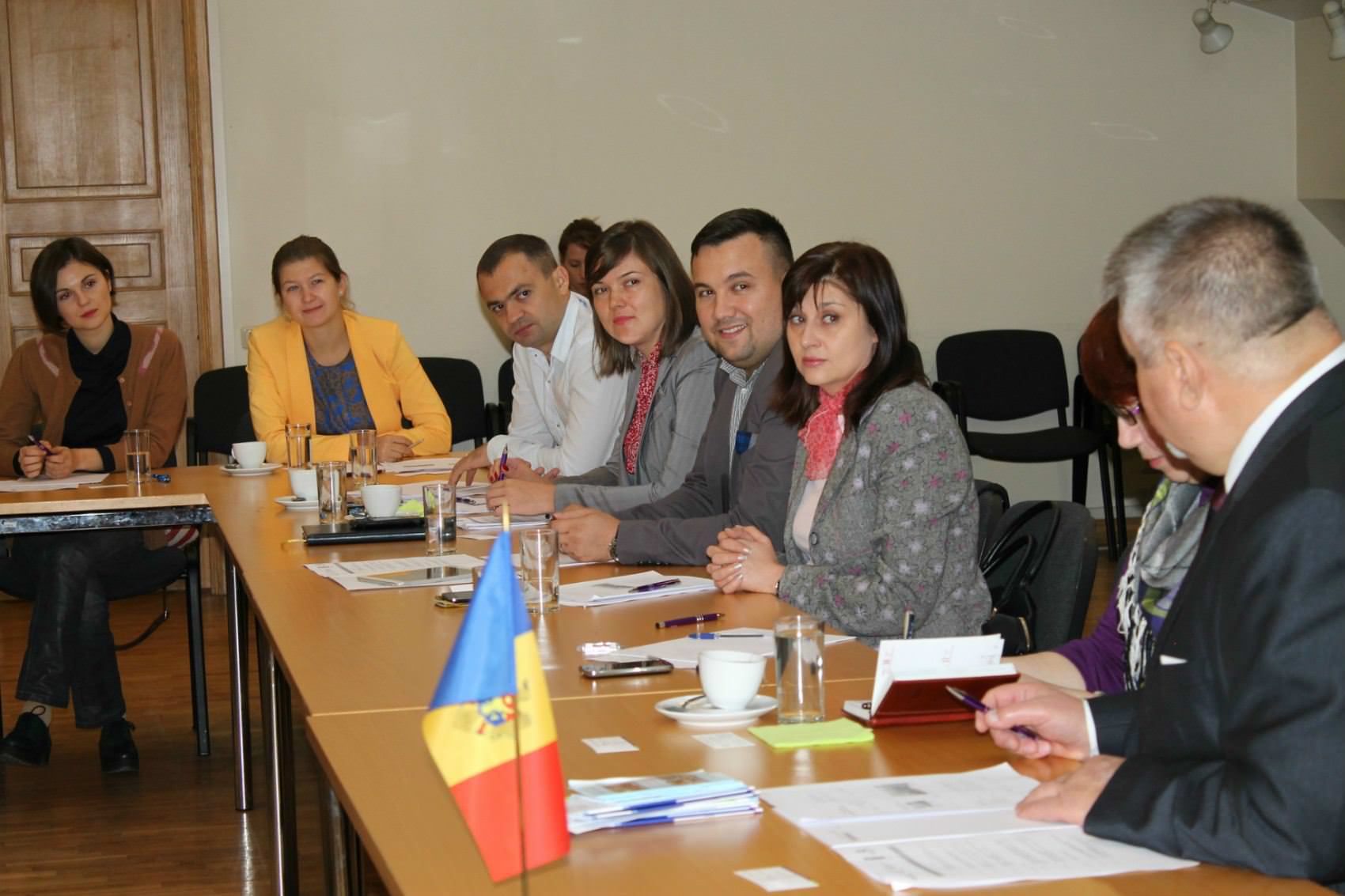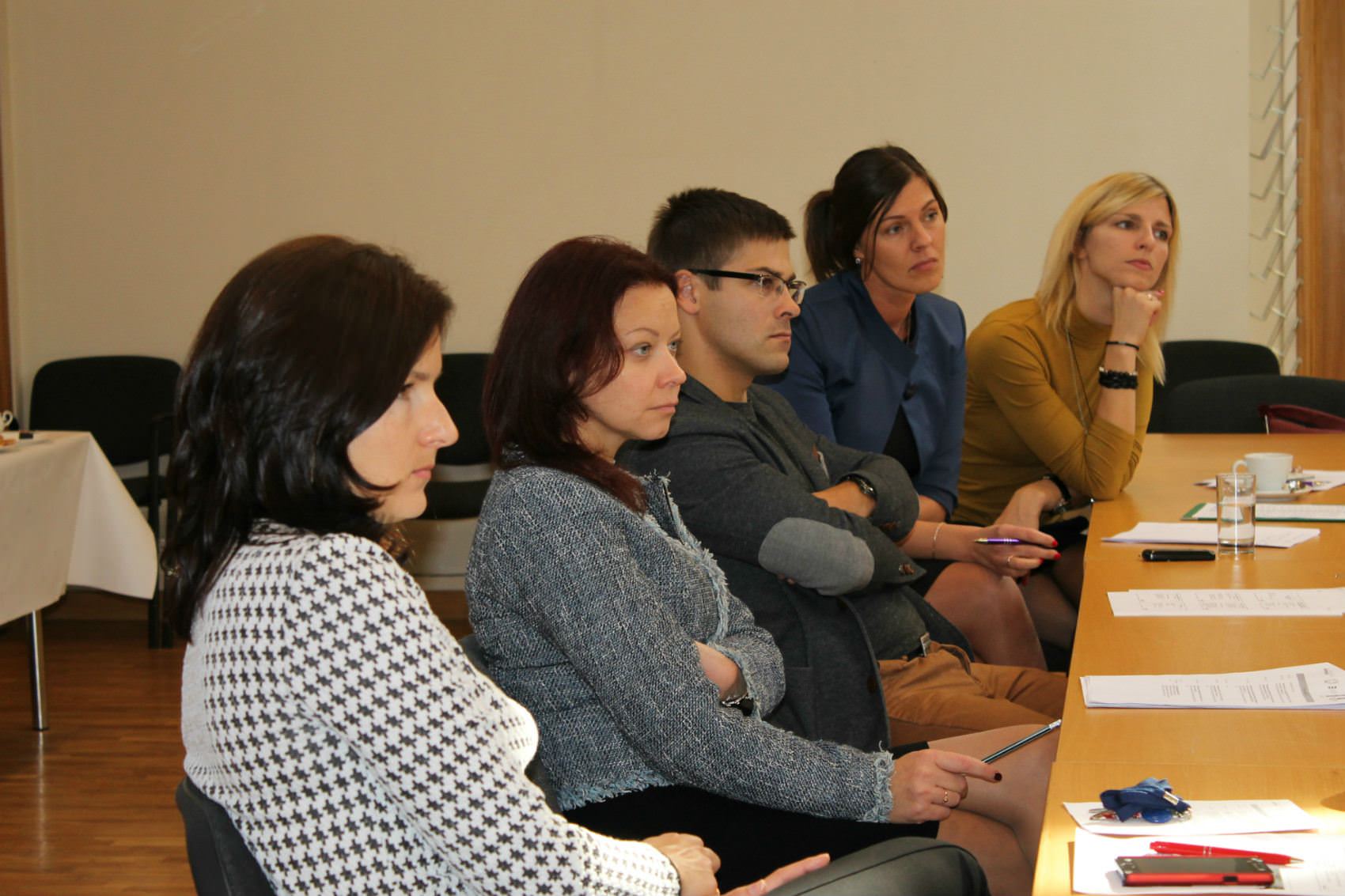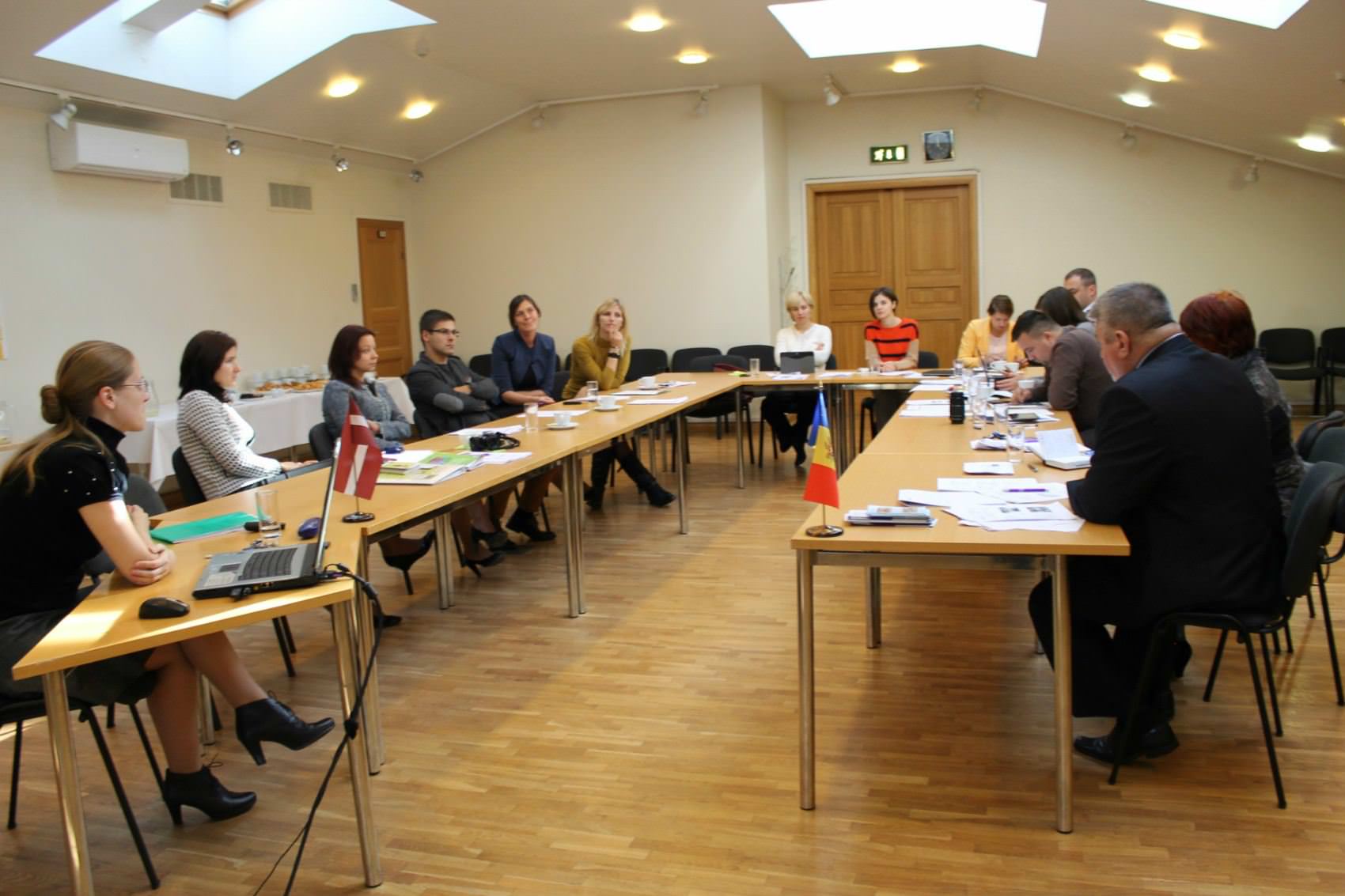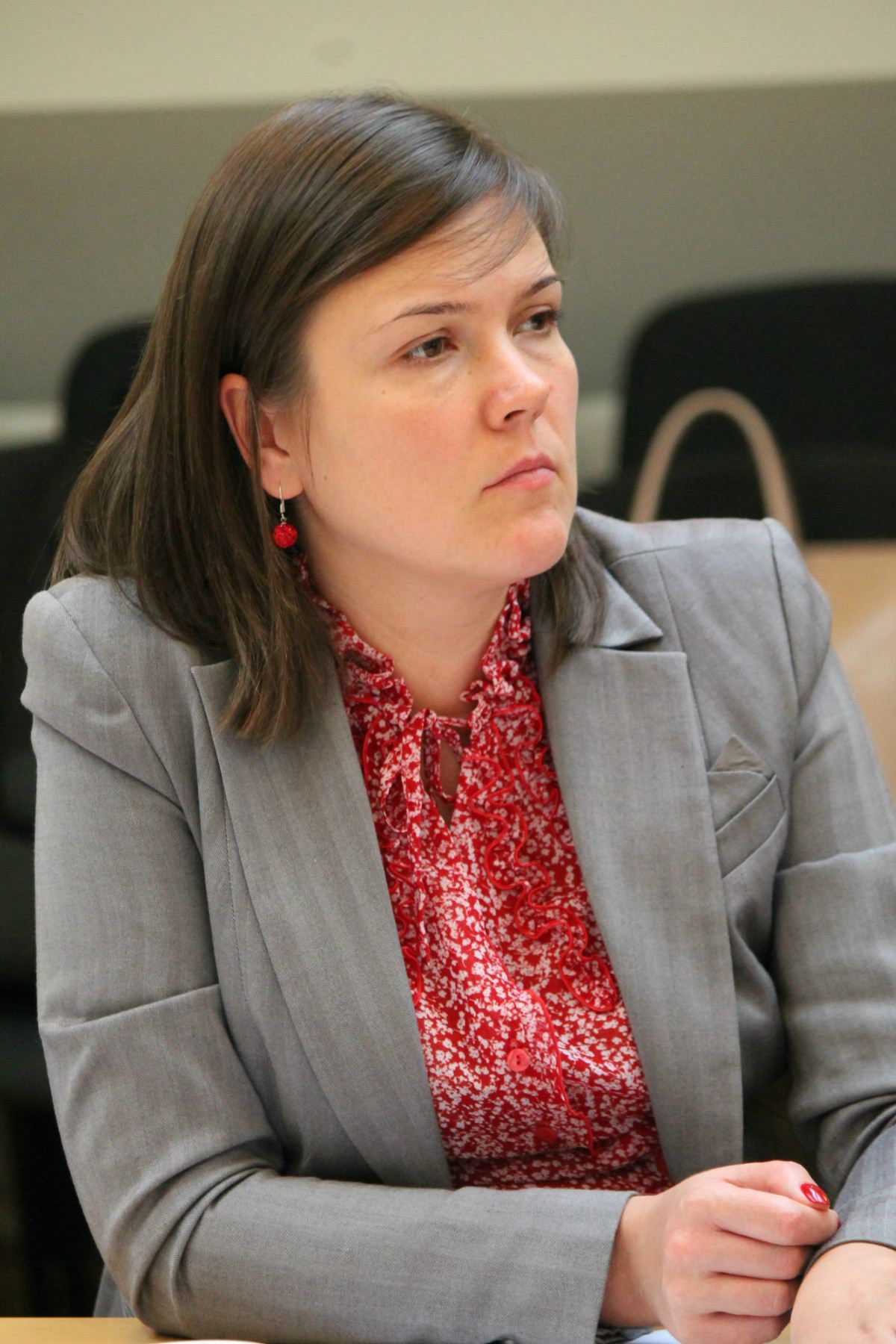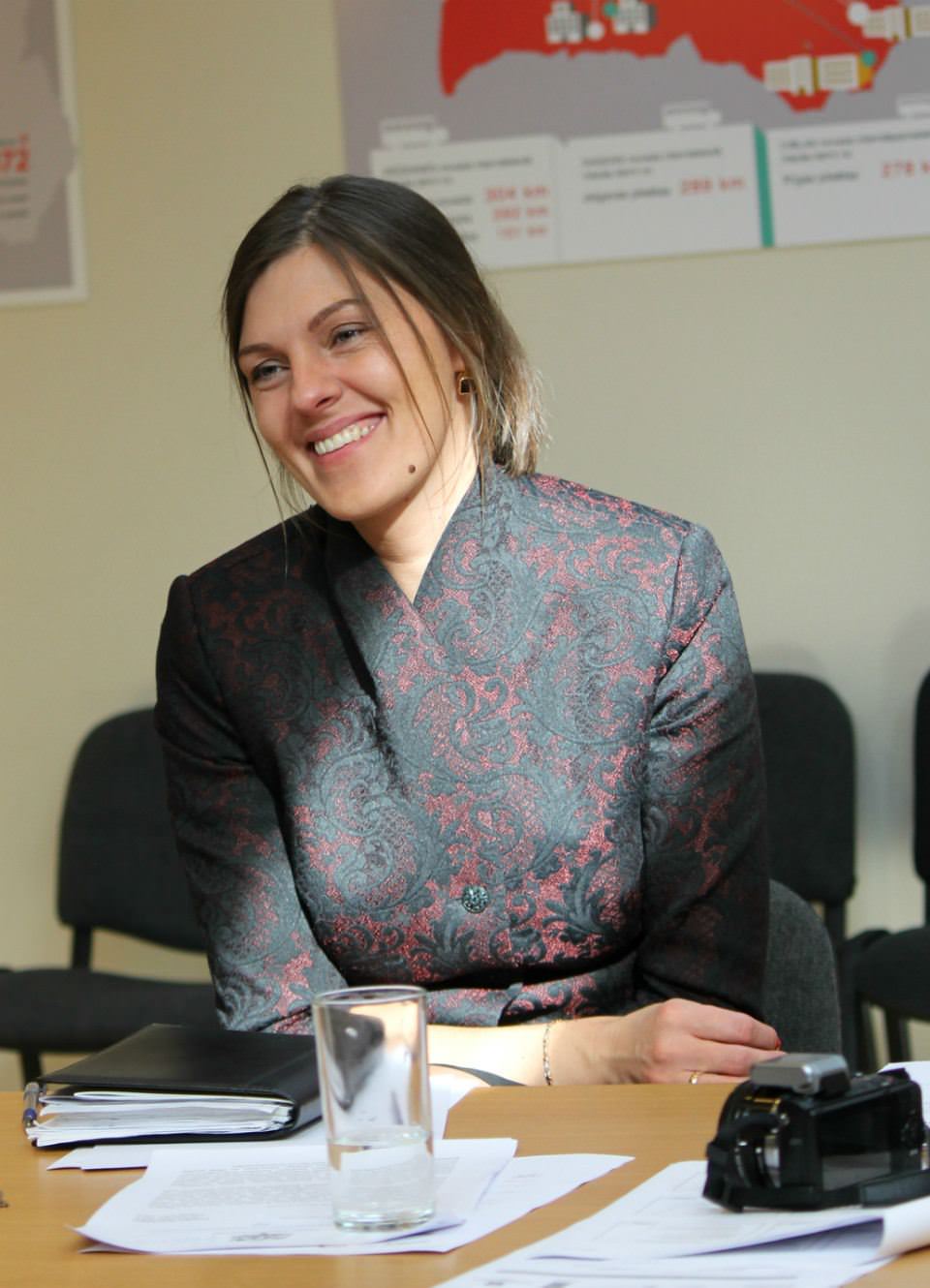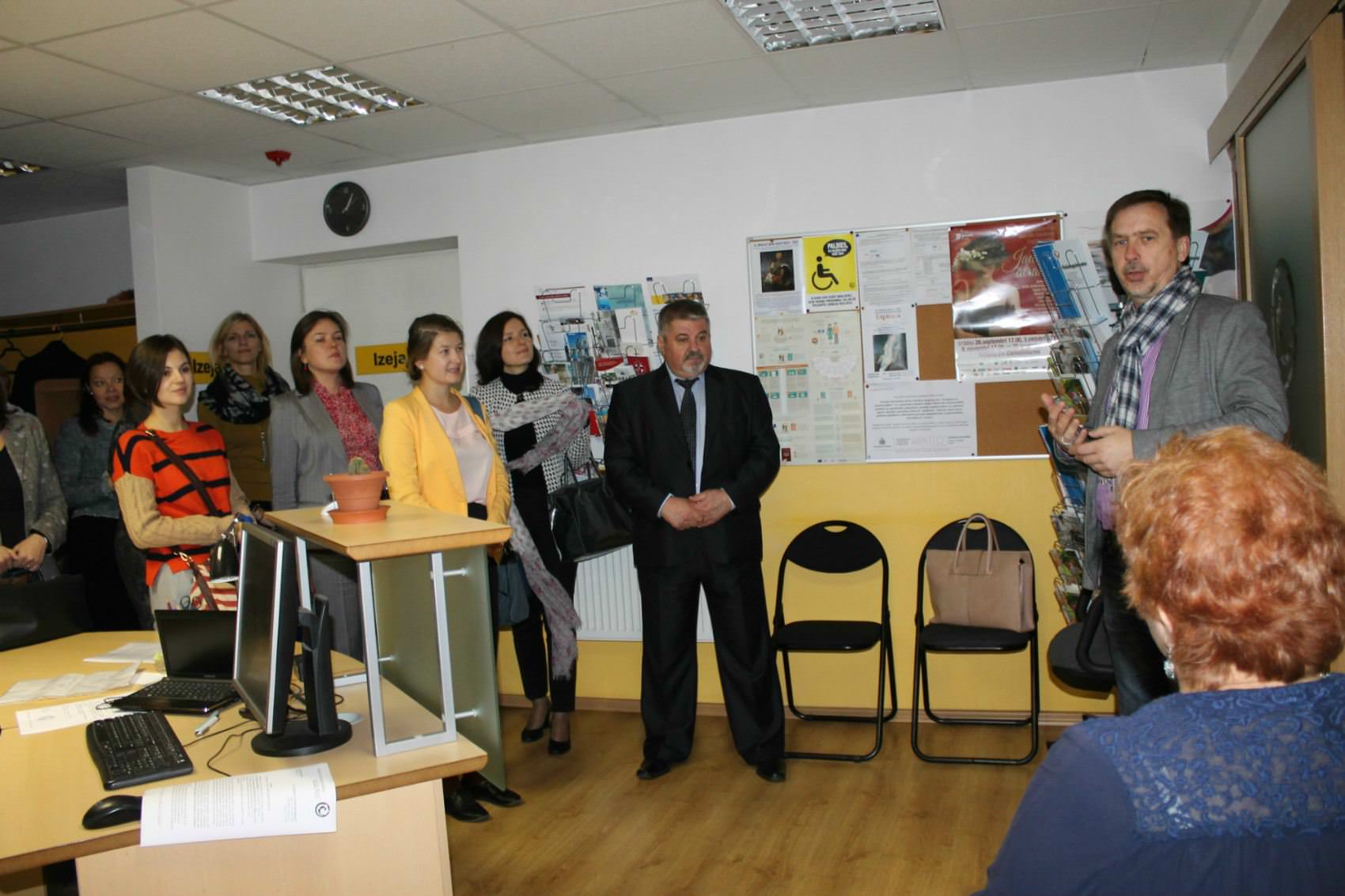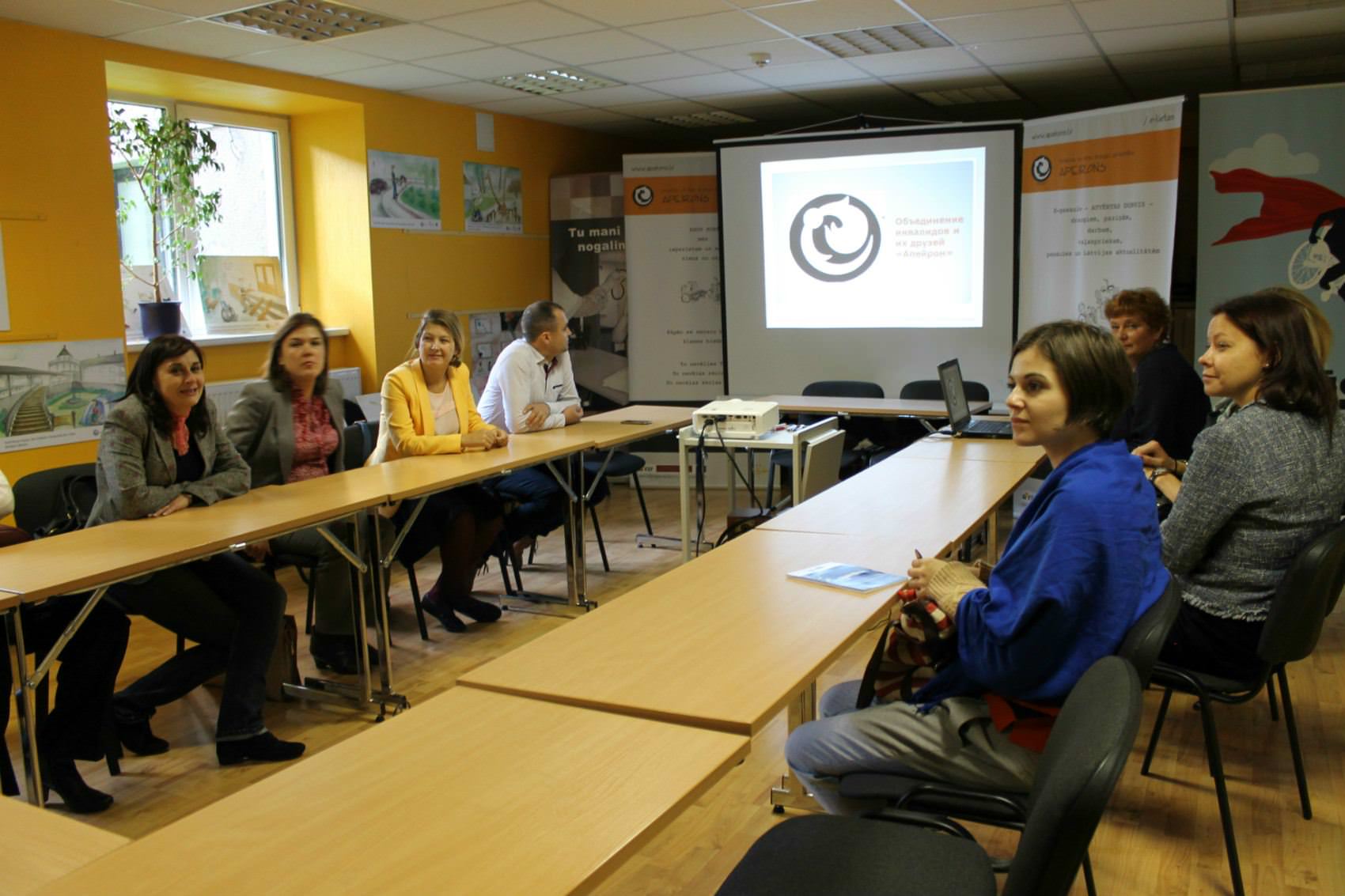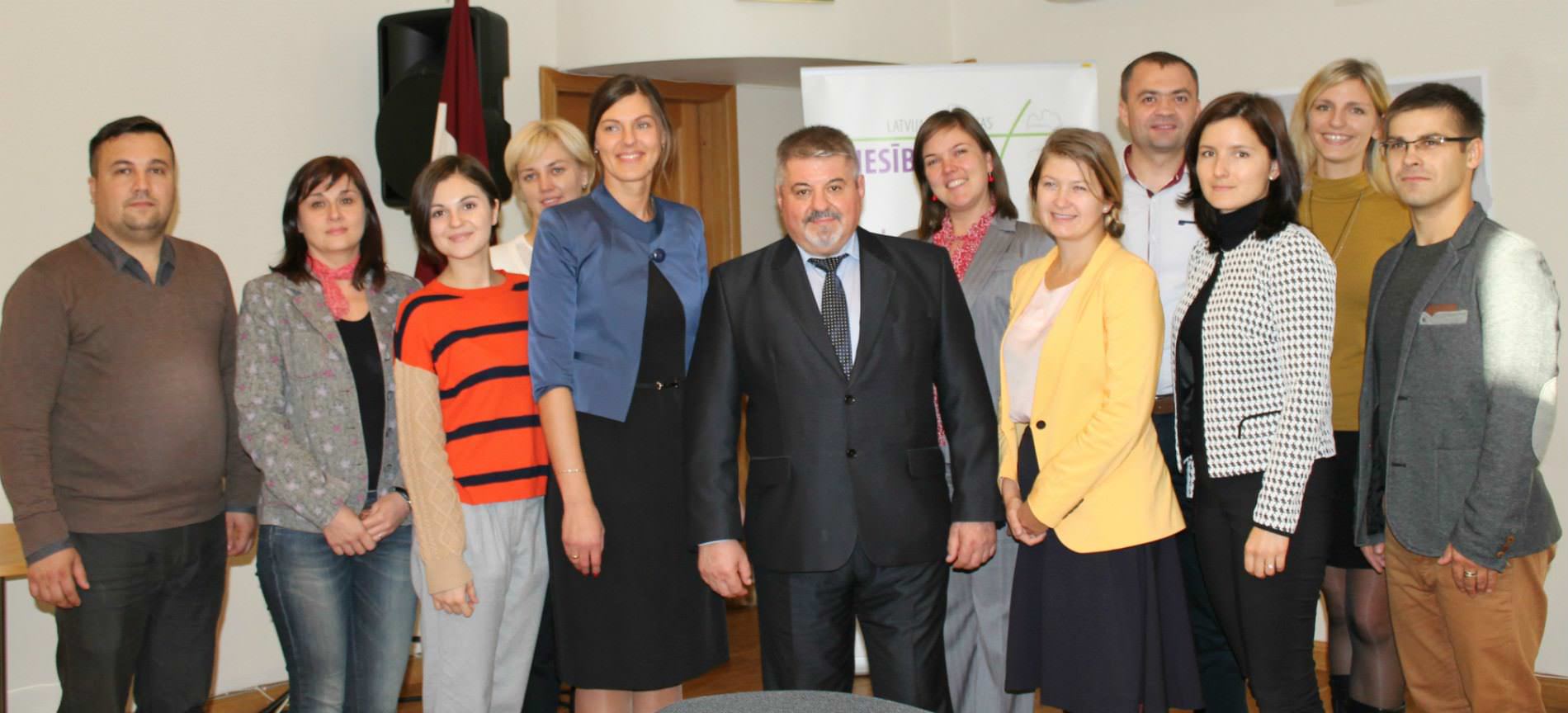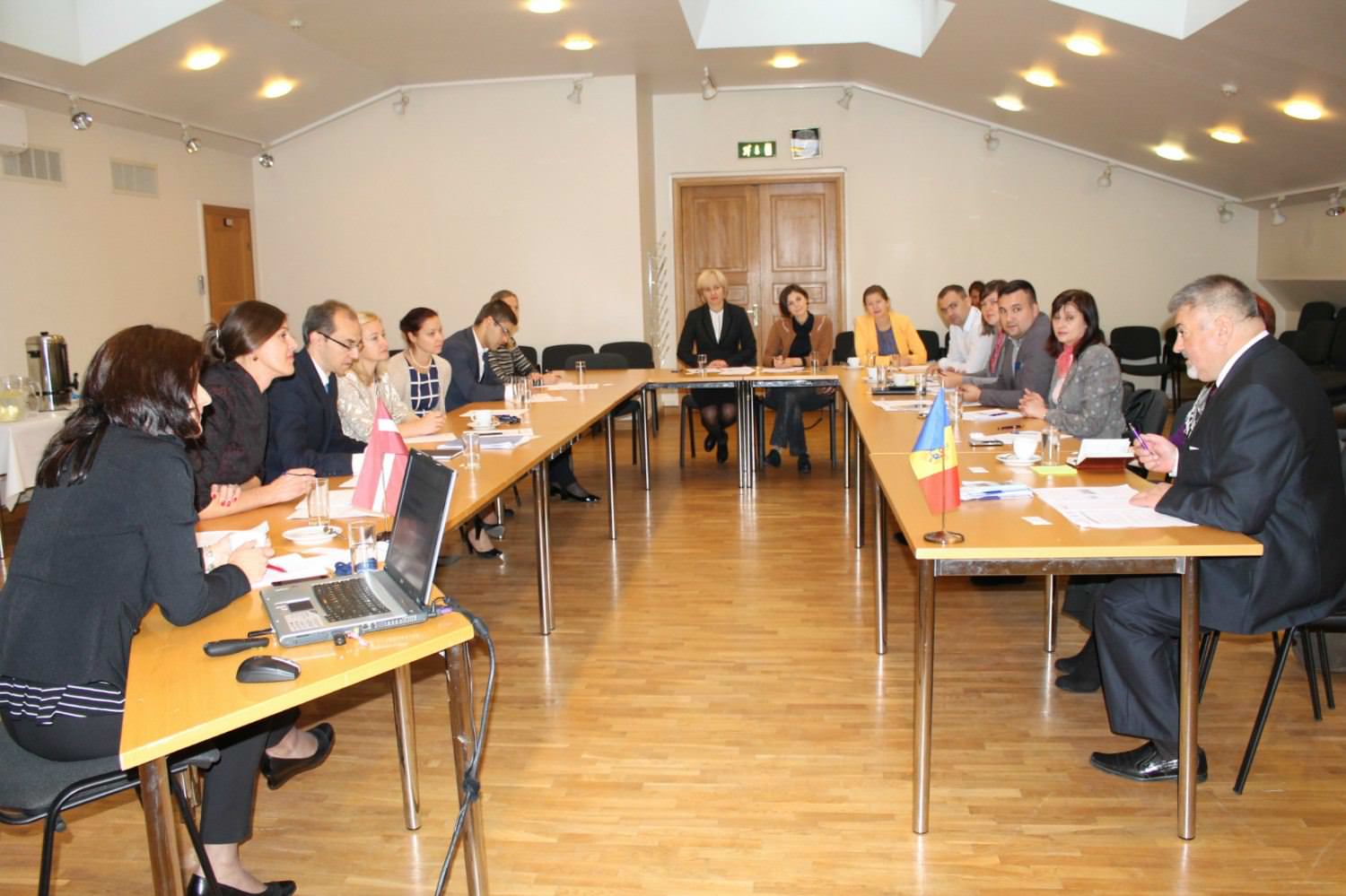
The ombudsman Mihail Cotorobai and the staff of the Ombudsperson Office, Olga Vacarciuc, Dumitru Roman, and Ina Galan, had a study visit to the ombudsperson institution in Latvia. The visit was part of the project “Supporting National Human Rights Institutions as per International Treaty Bodies and UPR Recommendations”, funded by the Norwegian Ministry of Foreign Affairs, co-funded by the UNDP Moldova and the Office of the UN High Commissioner for Human Rights in cooperation with the Ombudsperson Office and the Council on the Prevention and Elimination of Discrimination and Ensuring Equality.
The visit took place on October 1-2, 2015. Its purpose was to get the participants acknowledged with the activity of the ombudsperson and its office in Latvia.
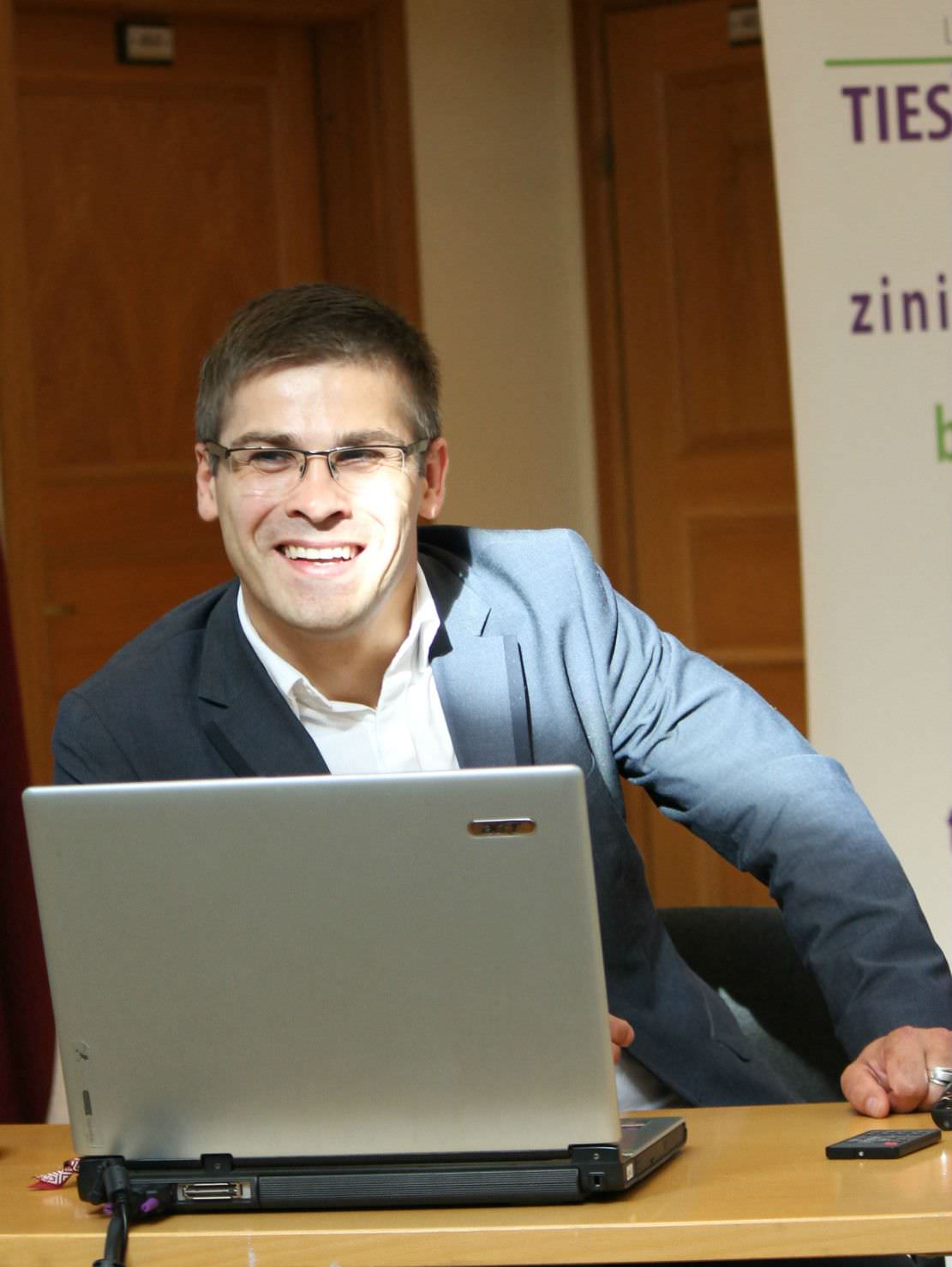
RutaSiliņa, the Head of the Communication and International Relations Service of the Latvian Ombudsperson Office presented information about the ombudsperson and the ombudsperson institution that was recently accredited with the “A” statusby the Sub-Committee on Accreditation (SCA)of the International Coordinating Committee for National Human Rights Institutions (ICC). She also presented the legal framework and the principles of ombudsperson’s activity, the rights, duties, and objectives thereof, the structure of the ombudsperson office, the working methods and the strategic development objectives. Mrs. Siliņa also spoke about the cooperation of the ombudsperson institution nationally and internationally.
Among the subjects addressed within the study tour were the principles and approaches based on which the office examines citizens’ petitions. The participants have learned that the ombudsperson institution operates based on the laws of the country and observes the principles regulating the way and sequence of registration and examination of the written petitions and the admission of individuals. They have also been informed about the types of response delivered by the Office and the situations when the examination of the complaint is rejected. The document recordkeeping system was presented, including the intranet system managing the internal flow of documents and petitions.
The Moldovan representatives were informed about various aspects of ombudsperson’s cooperation with the government institutions: the Parliament, the Cabinet of Ministers, the ministries, the Constitutional Court, the local public administration, etc. Examples were provided about cases when the ombudsperson files notifications to the Constitutional Court and makes proposals of amending the legislation. The representatives of the Latvian Office have presented in detail all stages of the work prior to issuance of response documents by the ombudsperson: working with the local administration bodies, gathering facts, consulting experts and specialists, preparing position papers regarding the existing legislation, analyzing the facts and summarizing them in the document issued by the institution. Particularly, various aspects of addressing the Constitutional Court have been discussed.
In addition, aspects of the relationship of the ombudsperson’s office with the civil society have been addressed, and examples of such relationship were brought, such as the development and presentation of thematic reports, studies; conducting surveys and analyzing the results thereof; as well as examples of some successful campaigns of the institution: “Human rights in the psychiatric hospitals”, “Ensuring the right to education within the general and secondary education institutions of the local public administrations”, “Discrimination in employment”, etc. In addition, the strategies of cooperation with the media based on some practical examples have been thoroughly presented. Some aspects of working with information materials have also been analyzed, particularly the booklet about school violence “A school free from harassment”, designed for children, as part of the external cooperation of the Latvian ombudsperson particularly with their Baltic colleagues.
Another topic tackled were the problems and perspectives of overseeing the facilities where persons deprived of freedom are detained, in the light of the experience of the ombudsperson’s institution and the position of the cabinet of ministers on the issue of ratification and signature of the Optional Protocol to the Convention against Torture and Other Cruel, Inhuman or Degrading Treatment or Punishment.
The oversight by the ombudsperson of the implementation of the Convention on the rights of the persons with disabilities was a subject addressed from two perspectives: the activity of the Office in terms of overseeing the observance of the rights of persons with disabilities and ombudsperson’s cooperation with the nongovernmental organizations operating in this area. In this light, the staff of the Latvian ombudsperson’s office spoke about the good practices established at national levels in terms of promoting the adaptation of the environment to the persons with special needs: the town Daugapilswon a competition of the European cities/towns for the adaptation for persons with disabilities; the project “Library comes to reader”; providing financial support from special programs of the local authorities and from European grants to persons with disabilities in order to help them get higher education or develop businesses. The positive experience of cooperating with the nongovernmental organization “Apeirons”was analyzed.
Within the meeting with the members of this organization, the delegation was informed about its main areas of activity: technical expertise and providing assistance in the preparation of the designs of constructions in order to adapt the buildings for the persons with disabilities, providing audit services, assistance in the employment of the persons with special needs, as well as the development of a successful media project – a TV program for the persons with disabilities.In this context, the joint campaign organized by the ombudsperson office and the NGO “Apeirons” – “Discrimination in employment” was analyzed.
Discrimination and the principle of equality, special grounds, specifics of the discrimination in Latvia, and the activity of the ombudsperson institution in this area were discussed at the end of the visit. The staff of the office presented specific discrimination cases that were settled or tackled by the ombudsperson.
The experience of the Latvian ombudsperson institution is useful, and the working methods will be studied by the staff of the Ombudsperson Office in Moldova in order to replicate the good practices of our colleaguesin the future. Particularly, measures will be developed for enhancing the analytical work within the Office, as well as some procedures useful for our daily activities.
Other members who participated in the delegation aside from the representatives of the Ombudsperson Office were the representatives of the Council on the Prevention and Elimination of Discrimination and Ensuring Equality.