Last year there was no progress in terms of human rights observance in the Republic of Moldova – it’s the finding of the Annual Report on Human Rights Observance for 2015 of the Ombudsperson’s Office (the full text of the Report is available on http://www.ombudsman.md/sites/default/files/document/attachments/raport_2015.pdf).
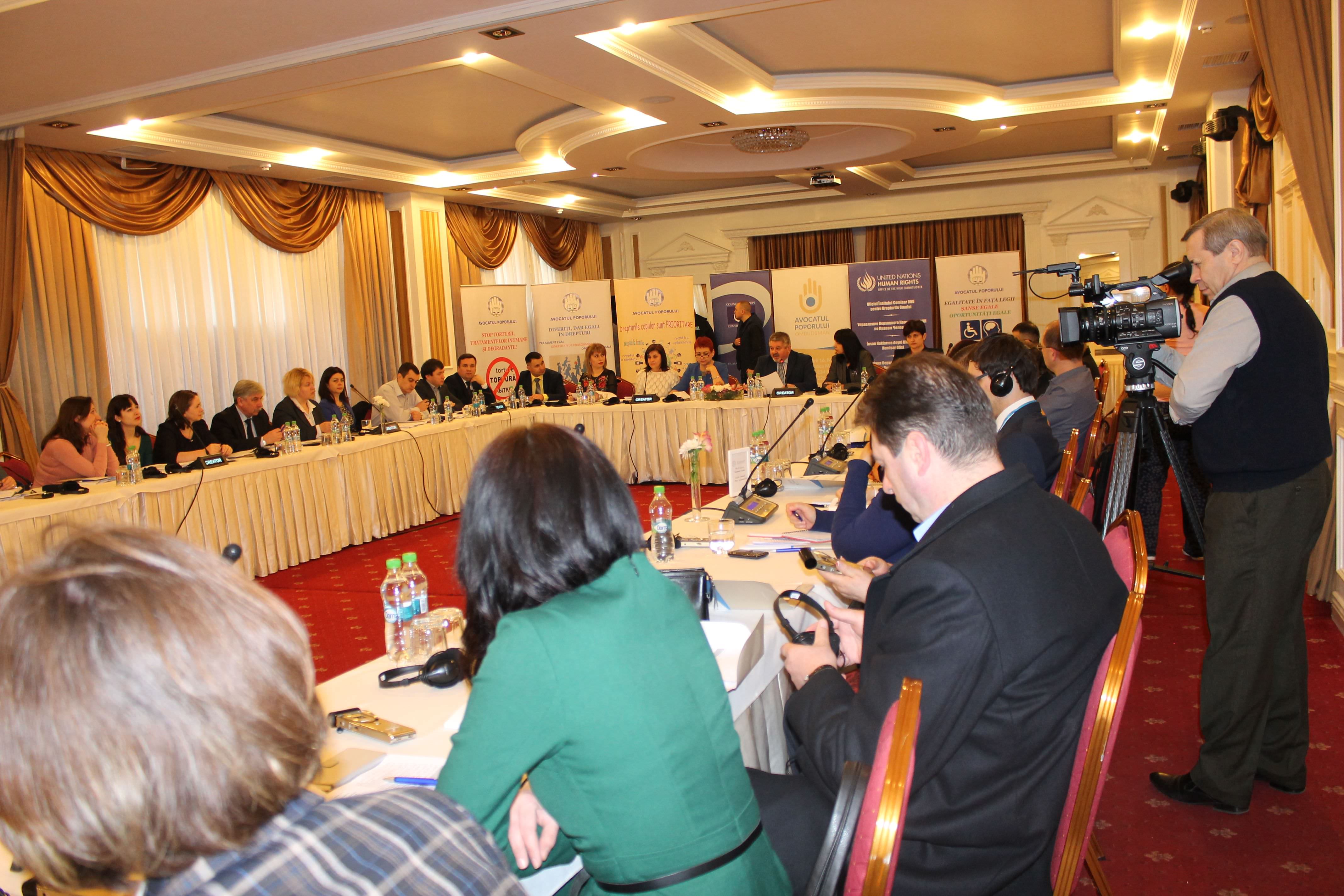
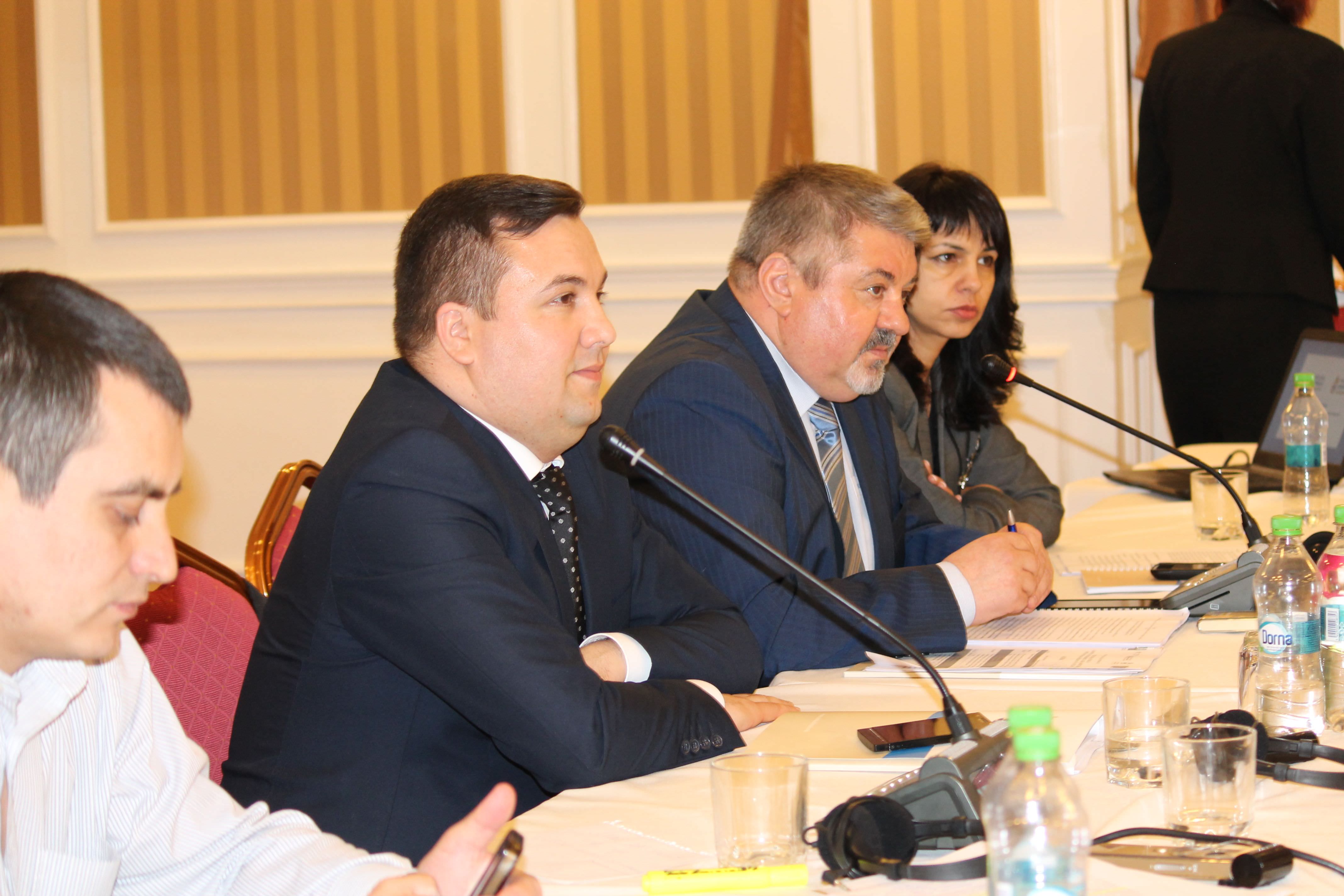
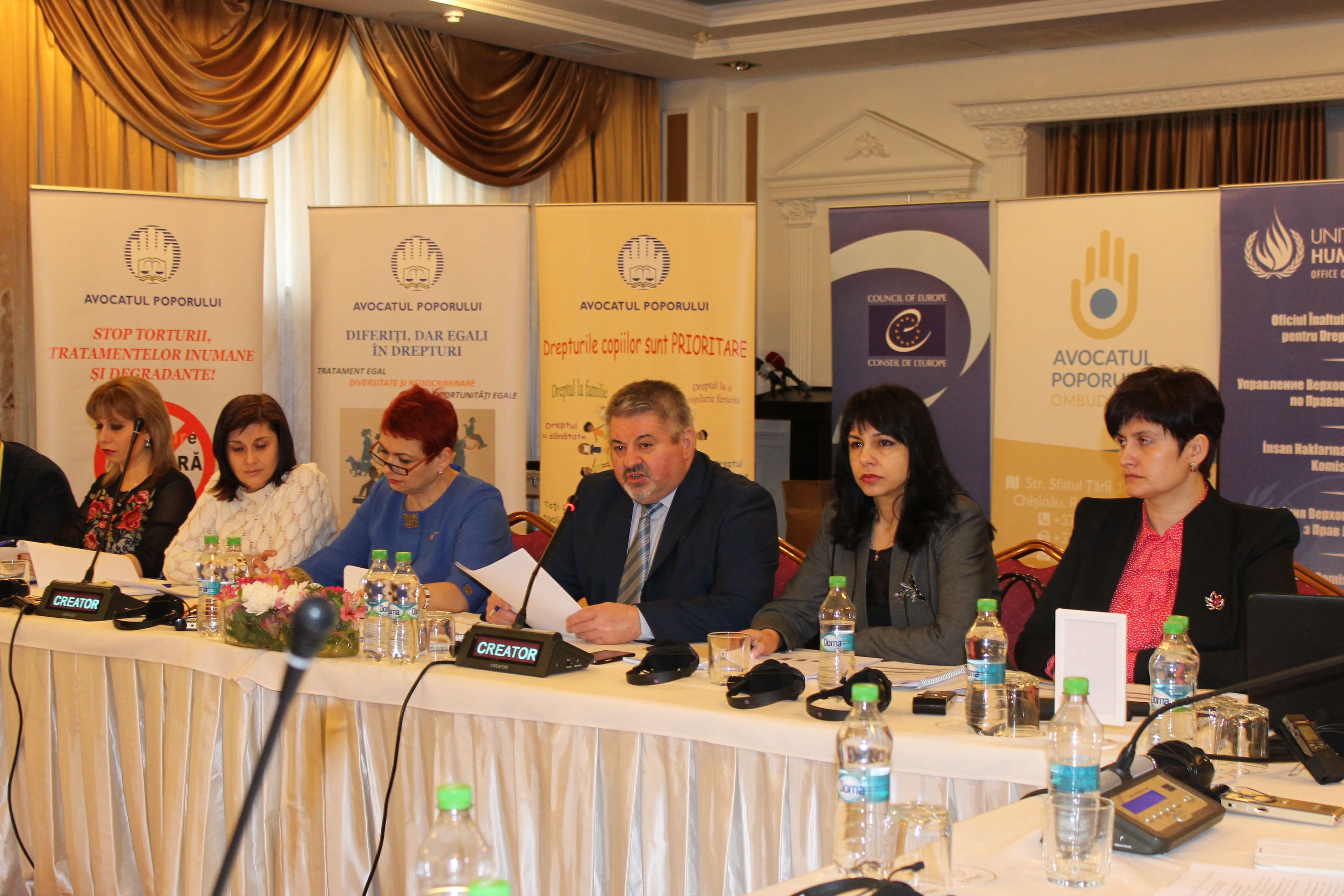
The conclusions of the Report have been publicised within a meeting held on March 29 inst. in the Red Room of the Summit Events& Conference Centre, in which representatives of the civil society, international partners and line authorities took part.
The event was supported financially by OHCHR, UNDP and the Government of Norway within the project “Supporting National Human Rights Institutions as per International Treaty Bodies and UPR Recommendations”, andthe Council of Europe within the project “Support to Criminal Justice Reforms in the Republic of Moldova”, funded by the Government of Denmark.
The Report states that the purchasing power of population’swages decreased by 6.7%, the prices and tariffs for consumer goods and services increased on average 3 times and the prices for services (condominium management services, drinking water and sanitation, electricity and natural gas) increased about 7 timesin 2015compared to 2014.
The size of pensions for disability is under the minimal subsistence level. State social benefits are also extremely small. Actually, the total amount of all social benefits payable to a person with disabilities does not meet the minimum subsistence level set by the National Bureau of Statistics. Therefore, the majority of persons with disabilities live in poverty. Ninety-eight percent (98%)of the retired people have an average pension under the minimal subsistence level; the minimal subsistence amount established for the retired persons is 1444.6 MDL.
The national minimum monthlywage, which is 1000 MDL, is way under the minimal subsistence level, which was 1823.9 MDL/month for a person fit for work, in the first semester of 2015.
The informal economy and unreported labour are among the major problems affecting the labour market and the social security system in the Republic of Moldova.
Alarming violations of the right to healthcare are committed because of the systemic problems in terms of the health insurancecoverage; the examination of petitions and medical errors; the accreditation of healthcare facilities and the attestation of doctors and pharmacists; the observance by health professionals of the patients’ right to private life; the efficiency of the existing tuberculosis control and prevention system; and the insufficient measures for protection of sexual and reproductive health.
The Office of the Ombudsperson notes the low level of responsiveness by the Ministry of Health to the Ombudsperson’s recommendations, particularly with regard to the cases examined.
The healthcare system is corrupt and this has become a major obstacle in securing the observance of human rights at national level.
In 2015, the reform of the judiciary stagnated. Not all actions stipulated in the Action Plan for implementation of the Judicial Sector Reform Strategy have been implemented. The Law on Prosecutor’s Office has not been adopted. Against this background, the overall perception about the Moldovan judiciary is unfavourable.
According to the results of the Public Opinion Barometer conducted in November 2015, there is a dramatic decline of citizens’ trust in the judiciary. In November 2015,only 12% of the respondents said they trustedthe judiciary, compared to 25% in November 2010. Therefore, although the implementation of theJustice Sector Reform Strategy started in 2011 and there have been some improvements, citizens do not perceive the delivery of justice as being an efficient and qualitative act; this fact has been acknowledged by the Minister of Justice himself.
Year 2015 was also unfavourable for the freedom of media in Moldova. Last year there were attempts to promote some new legal initiatives that could have led to limiting the freedom of expression. In the end, these initiatives were given up but only as a result of a strong reaction from the media community and the development partners. During the reporting year, the issues related to the concentration of media ownership in the hands of a number of persons and the monopolisation of the media have had a particularly significant impact.Studies conducted by the Independent Press Association and the Broadcast Coordinating Council have established a lot of irregularities in the coverage by the media of the campaign for the local elections were held on June 14, 2015, when the media outlets with national coverage showed political partisanship for their real owners –politicians or business people having close ties with the political parties.
Regarding the observance of human rights in the Transnistrean region and the security zone, the Report mentions that ill treatment in places of detention, systemic violation of the right to education, to ownership, and the freedom of movement are just a few of the issues faced by the persons residing in the region and in the area with increased security regime.
Given the vulnerability of citizens who live on the left bank of the Dniester River and the neighbouring localities to the risk of being persecuted or the risk of affecting the negotiation process, the Office of the Ombudsperson tries to find the best way to settle each individual problem. However, not every case referred to the Ombudsperson may be solved.
The Report also notes that the uncertainty with regard to the human rights observance on the left side of the Dniester River, as well as in the security zone in general, is generated not only by the actions/inactions of the Transnistrean authorities, but also by other factors, among which the lack of mechanisms for implementation of agreements concluded during the negotiations between the constitutional and the de facto authorities from Tiraspol; failure by the central public authorities to intervene or inefficient intervention in some cases when this is possible; lack of legal regulations that could provide solutions in certain areas; the bureaucracy and the misconduct or abuse of office by some government officials; insufficient information of the population about the duties and the services provided by public authorities.
In 2015,12 complaints about alleged acts of torture were filed to the Ombudsperson’s Office, as well as 161 petitions reporting inadequate detention conditions. The number of complaints about torture decreased,while those aboutinadequate conditions in penitentiaries increased compared to the previous years. During the reporting period, the number of referrals to the prosecutor’s bodies about the application of ill treatment has also reduced slightly: 30 referrals less than in 2014, which represents the lowest level since 2009.
The detention conditions in Moldovan penitentiaries have not improved, moreover, currently such conditionattain the minimum level of severity required to amount to inhuman or degrading treatment. In the recent years, the population of penitentiaries has increased, therefore joint efforts are needed in order to reduce the number of detainees.
The overpopulation of the penitentiary institutions is a systemic problem, as are the poor hygiene conditions, the poor quality ad insufficient food, and the lack of proper healthcare. It should be mentioned that in 4 judgements against the Moldovan authorities for ill treatment and the inhuman and degrading conditions, the European Court for Human Rights made reference to the reports of the Ombudsperson.
Because of the economic crisis, capital investments have been stopped since July 2015, which makes it impossible to develop the infrastructure of the custodial facilities up to the standards and to develop and implement construction/renovation plans for the establishments, according to the policies adopted.
However, important progress was made in 2015 in terms of the rights of the child in the majority of areas considered by the Ombudsperson. Specifically, new legal and institutional mechanisms have been created, however their implementation is defective because of the lack of necessary budgetary support, insufficient staff training and low legal literacy of citizens. The most topical, stringent and serious issues relate to:
- prevention of juvenile delinquency,
- prevention of child abuse,
- the right to social protection for orphans, children without parental care and children at risk,
- observance and fulfilment of child’s rights with the education system.