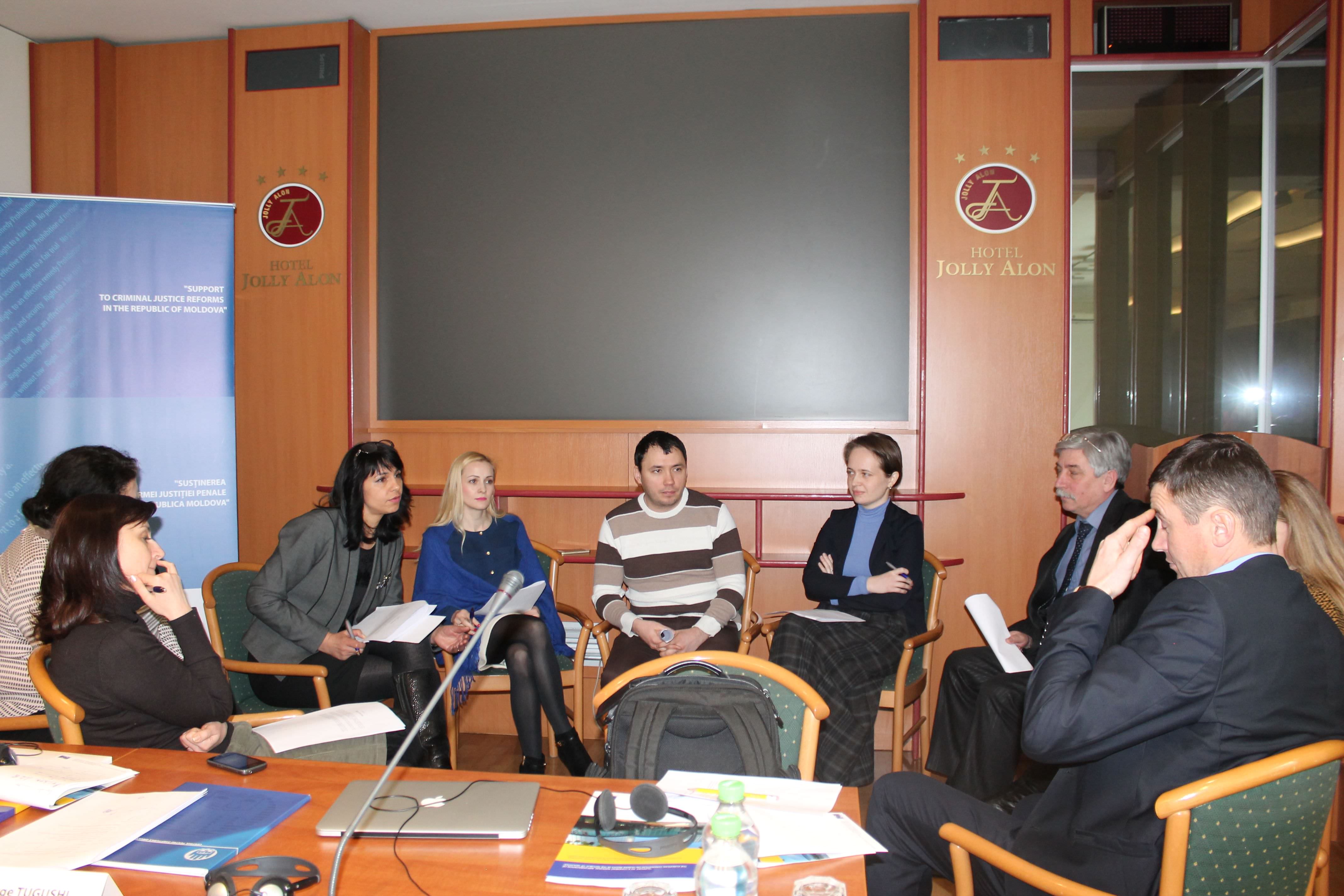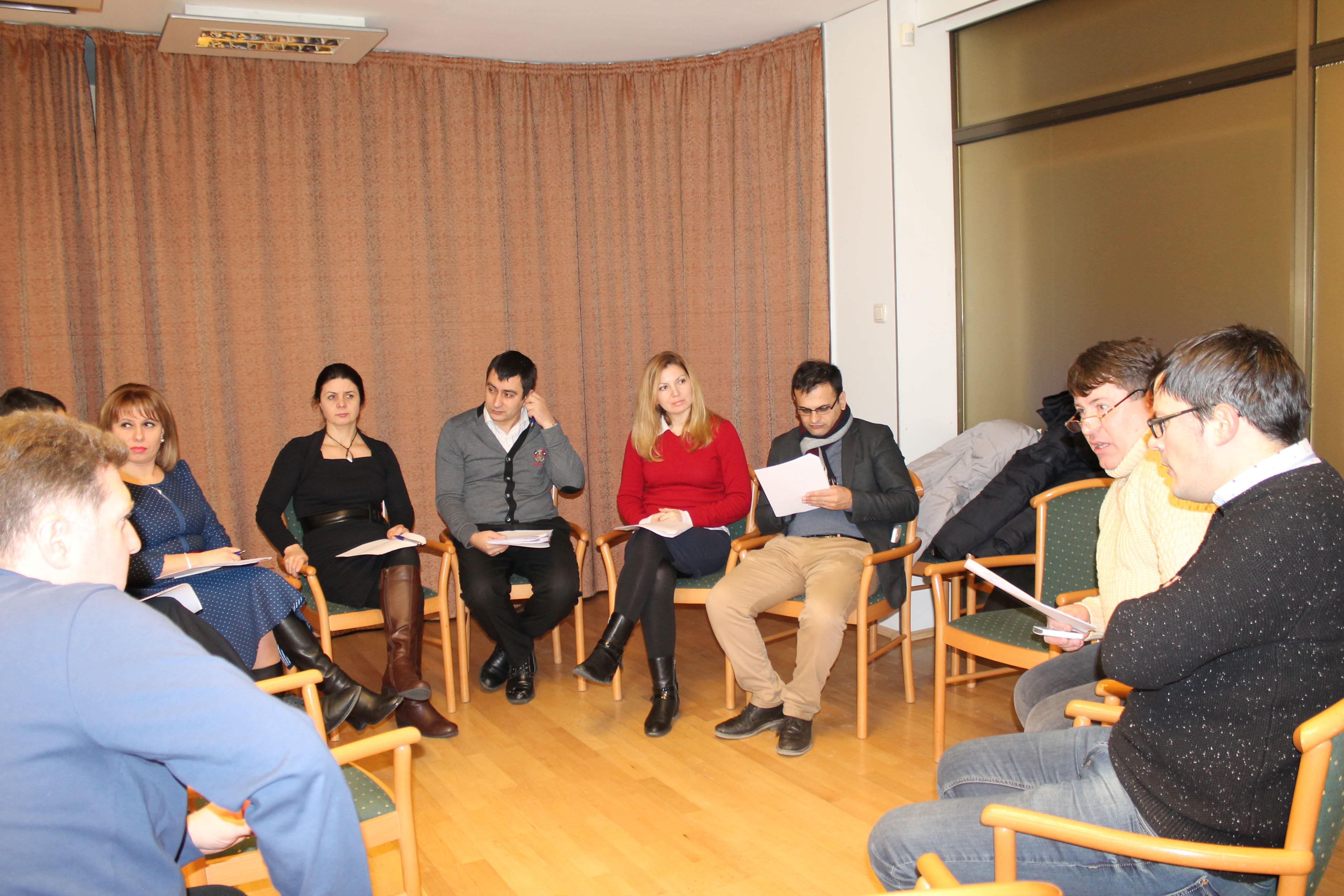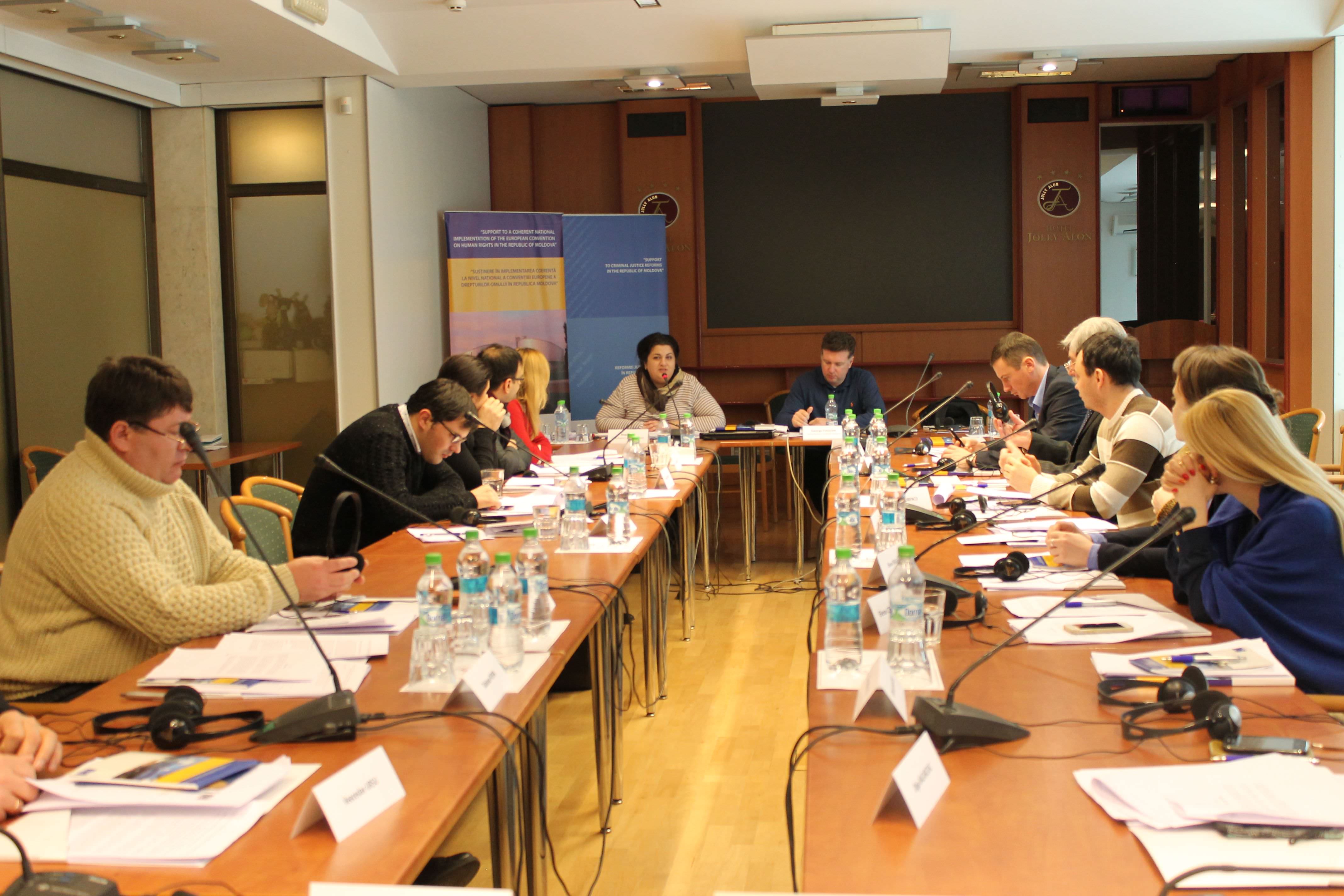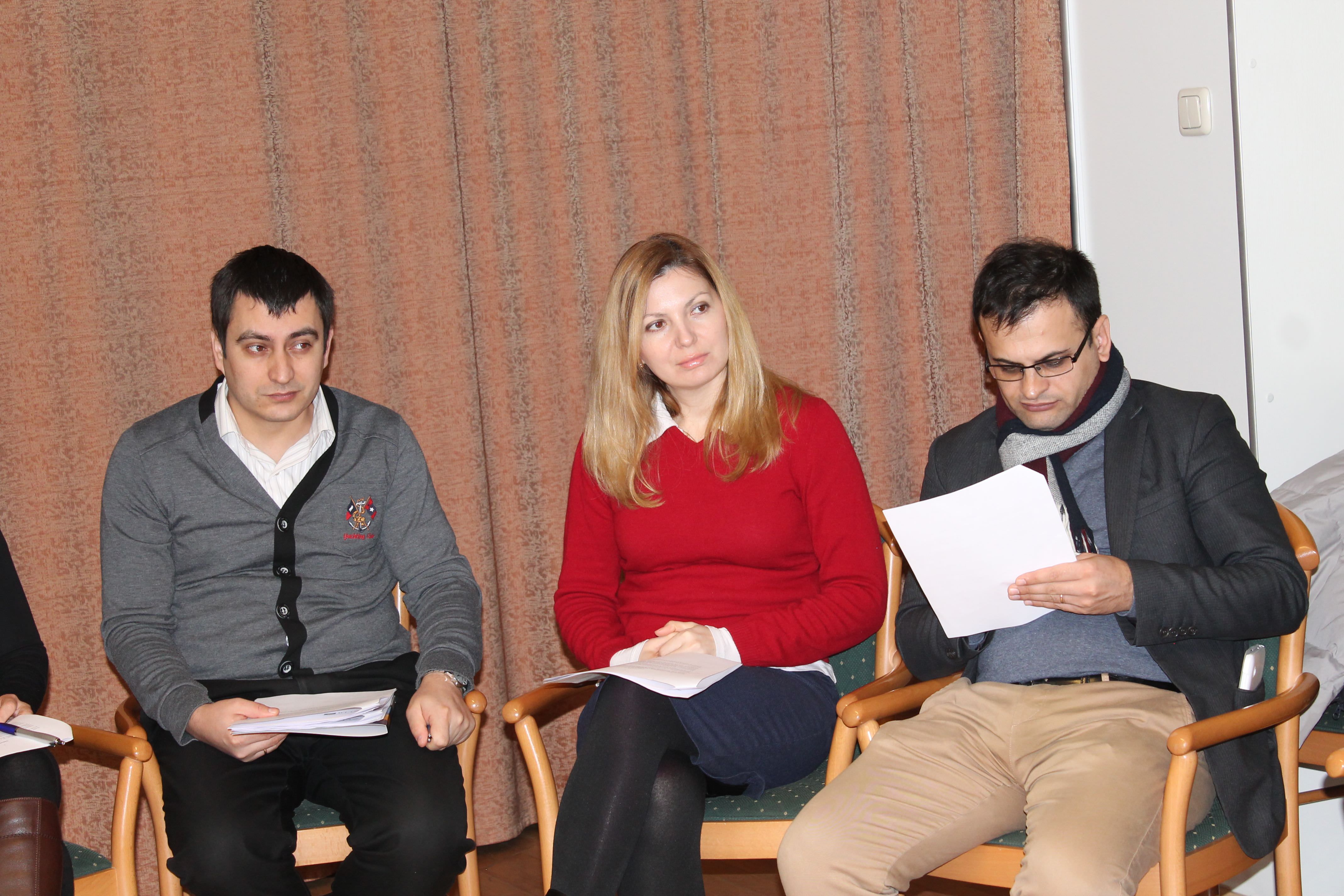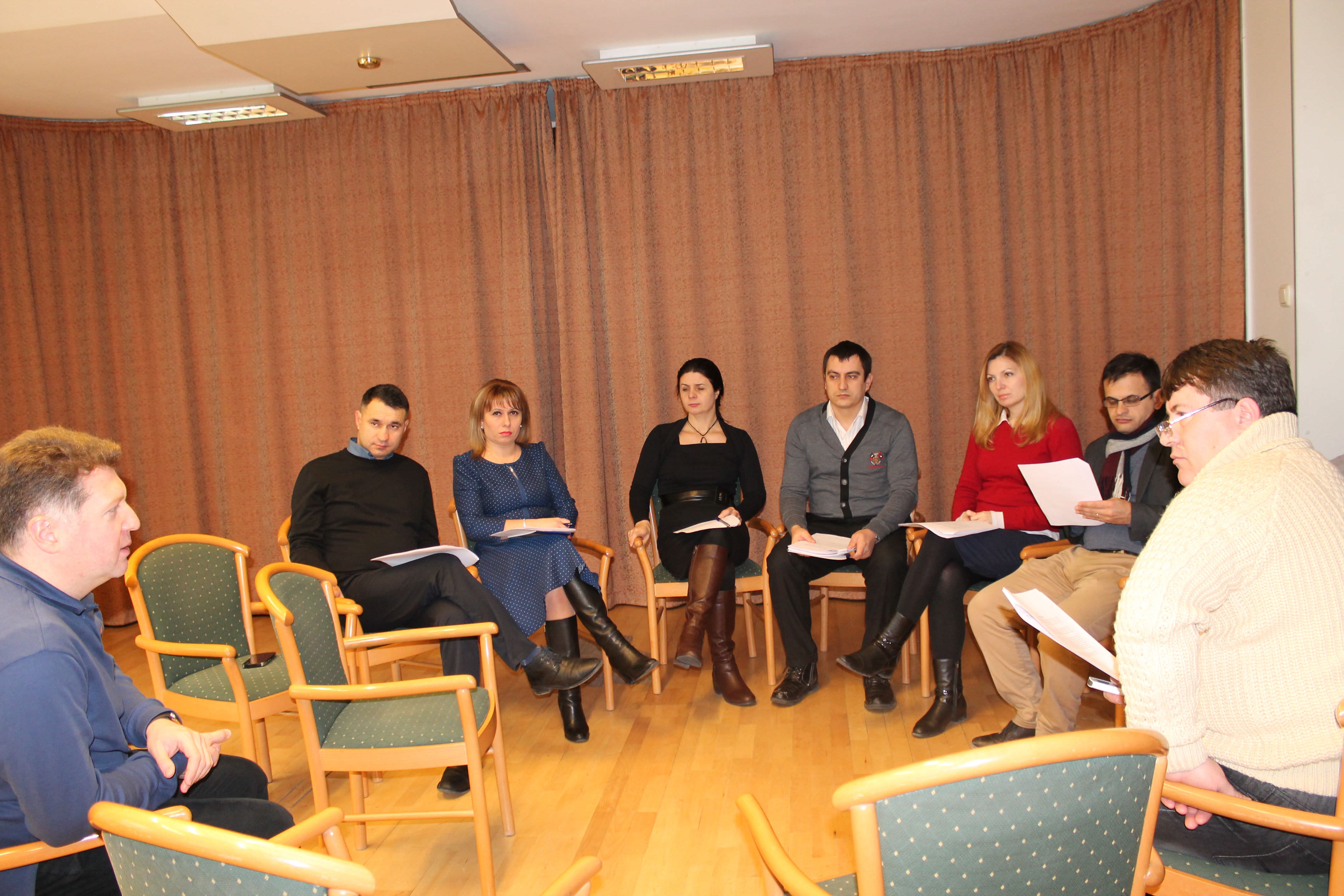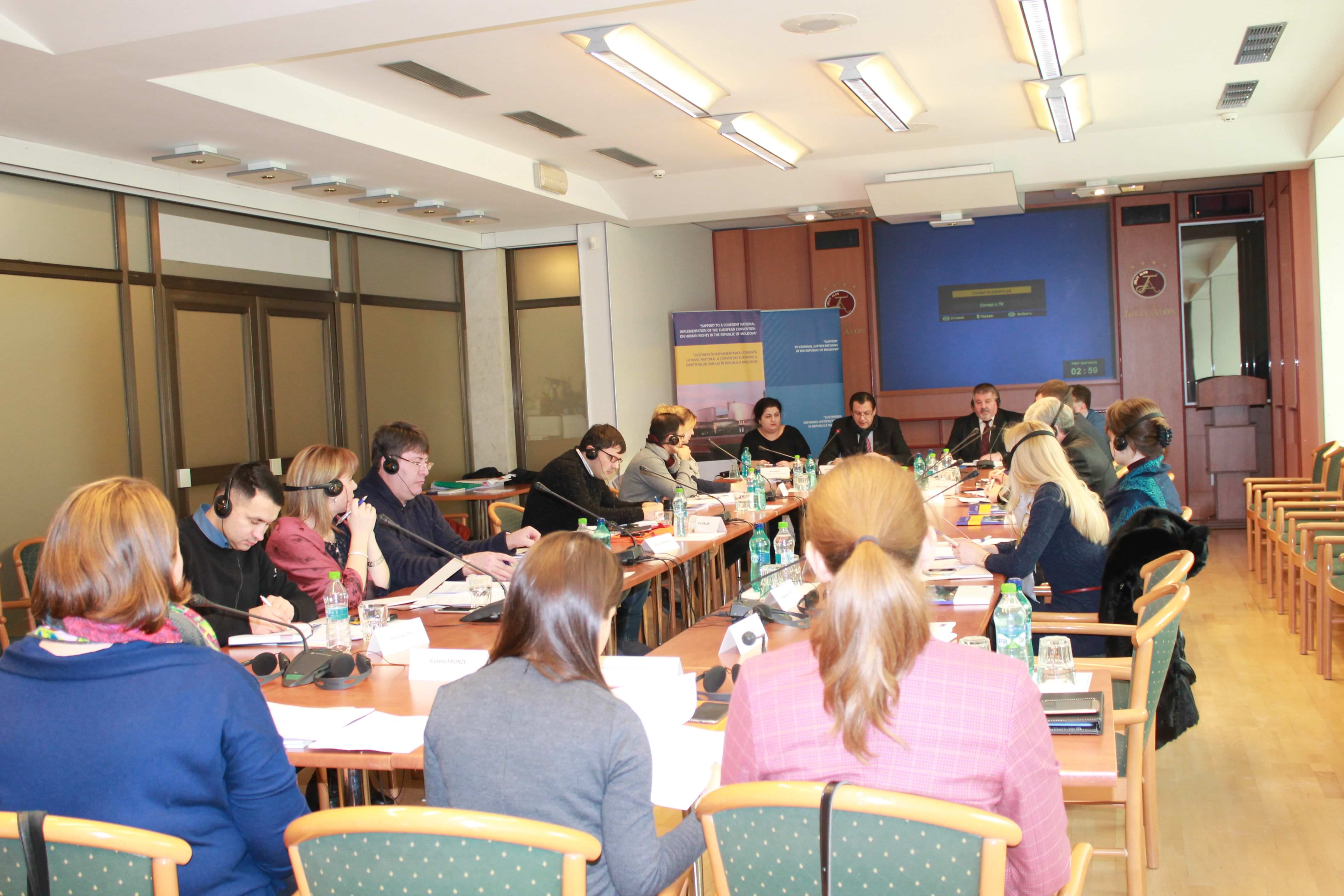
On January 21-22, 2016 the staff of the Ombudsperson Office took part in the seminar “Preventing and Fighting Torture, Ill Treatment and Impunity. Standards for Monitoring Detention Places”.
The seminar was organized by the Council of Europe in cooperation with the Ombudsperson Office, within the projects ”Support to a coherent national implementation of the European Convention on Human Rights in the Republic of Moldova” and ”Support to criminal justice reforms in the Republic of Moldova.”
Within the training, the staff of the Ombudsperson Office have learned about the methodology of conducting monitoring visits, the type and role of monitoring visits in preventing torture, and the role of monitoring bodies in preventing torture and ill treatment.
In his opening remarks, the Ombudsman MihailCotorobai, highlighted the importance of this event in the light of the torture preventing activity set out in the Law on People Advocate (Ombudsperson), mentioning that the Ombudsperson Office currently implements a number of activities in this area, among which, the drafting of the Regulation on Organization and Operation of the Council for Prevention of Torture.
The head of the Council of Europe Office in Chisinau, José-Luis Herrero,welcomed the participants in the seminar and spoke about the role of preventing torture and ill treatment in securingthe observance of human rights and the importance of having skilled staff to conduct monitoring visits and other torture prevention activities.
On the first day of the training, George Tugushi, international consultant of the Council of Europe, explained to the participants the provisions of the UN Convention against Torture and other Cruel, Inhuman or Degrading Treatment or Punishmentand those of the Optional Protocol to the Convention and informed them about the activity of the Subcommittee on Prevention of Torture(SPT). The provisions of the European Convention for the Prevention of Torture and Inhuman or Degrading Treatment or Punishment have also been analysed. Another subject of discussions was the methodology and standards in the activity of the Council for Prevention of Torture (CPT).
Ana Racu, Council of Europe’snational consultant, analysed the planning and the monitoring visits conducted at thepolice stations, penitentiaries and psychiatry hospitals, the practical aspects of preparing and conducting visits, as well as the follow-up activity to the visits – analysis of the data gathered, preparation and drafting of the report.
On the second day, the staff of the Ombudsperson Office were involved in practical activities on the same topic.